Green Cloth: A Playful Typeface for Handmade Products and Printables
Last week, I was sitting at my worktable surrounded by half-finished candle labels, a fresh stack of kraft paper tags, and a stubbornly blank greeting card template. Nothing felt right. The sans serif I had been using was too stiff for the warm, handmade look I wanted. I needed something with personality—something that felt playful but not childish, artistic but still readable. That is when I opened Green Cloth for the first time, and everything clicked.
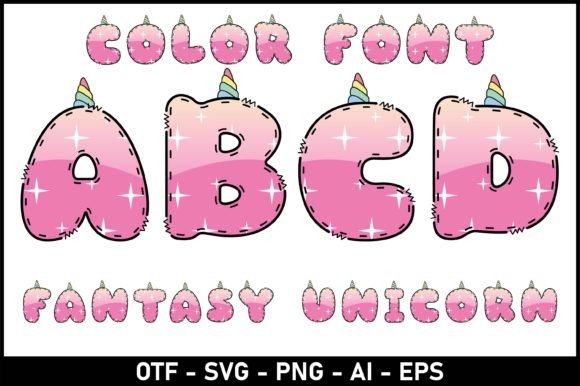
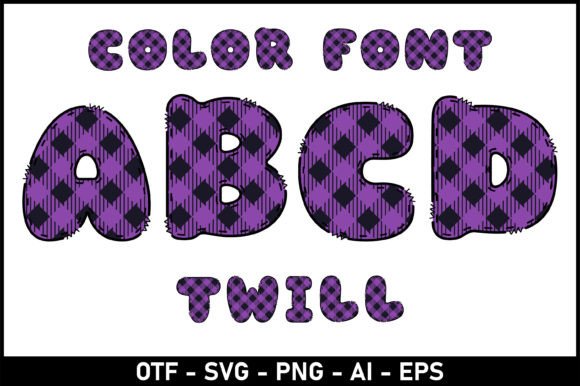
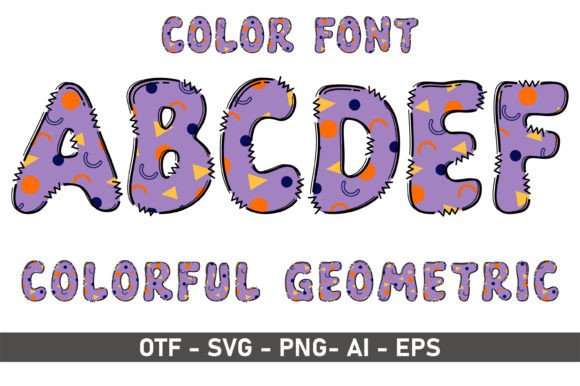
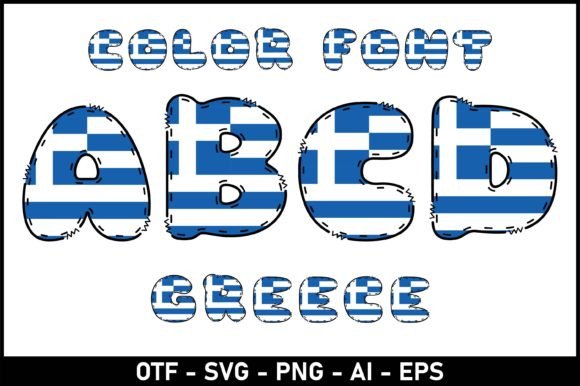
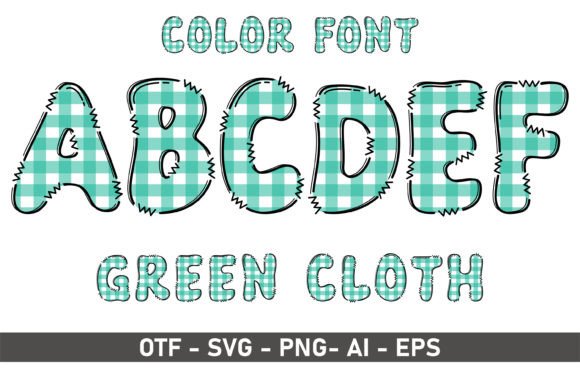
Green Cloth is a color font with a handcrafted soul. Its characters carry a slightly uneven, textured quality that reminds me of letterpress prints or hand-stamped designs. The letters are bold enough to stand out on a product label, yet soft enough to feel inviting. If you make things with your hands—candles, paper goods, stickers, apparel—you know that your font choice can make or break the entire mood of a product. Green Cloth brings a gentle, whimsical energy that works beautifully across physical merchandise and digital downloads alike.
The First Test: Candle Labels That Feel Like Home
I started with a small batch of soy candles. For the labels, I wanted the scent names to feel like a warm invitation. I set the word “Vanilla” in Green Cloth and printed a test sheet on matte sticker paper. The result was exactly what I had hoped for. The font’s playful curves gave the label a cozy, artisan feel without looking messy. The color font aspect meant I did not need to layer separate colored elements—the lettering itself carried the visual interest. I paired it with a clean sans serif for the scent description below, and the contrast made the product name pop. For anyone making candle labels, bath products, or skincare packaging, Green Cloth is a strong contender for your primary display text.
One thing I noticed right away: the font works best for short phrases and single words. Scent names like “Lavender,” “Coffee,” or “Sea Salt” are ideal. Longer phrases can feel crowded, especially at smaller sizes. Keep your product titles concise, and let the font do the heavy lifting.
Sticker Sheets and Printable Wall Art: Where Green Cloth Shines
If you sell sticker sheets or printable wall art, Green Cloth offers something special. The font’s hand-drawn quality makes each letter feel like a tiny illustration. I designed a small sticker sheet with motivational words like “Grow,” “Dream,” and “Create.” Each word became a focal point rather than just text. For printable art, I used Green Cloth for a simple “Hello, Sunshine” print. The font added warmth to the design without requiring extra decorative elements.
When working with cutting machines like Cricut or Silhouette, I recommend testing a small sample first. The font’s texture and color layers can sometimes create thin spots that might not cut cleanly at very small sizes. For stickers larger than one inch, it works beautifully. For tiny planner stickers, you may want to use a simpler font for the smallest details and reserve Green Cloth for titles or accents.
Wedding Invitations and Greeting Cards: A Personal Touch
Greeting cards and wedding stationery are all about emotion. Green Cloth brings a handcrafted warmth that feels personal without being overly casual. I used it for a birthday invitation where the guest of honor’s name was set in the font at a large size. Paired with a simple serif for the event details, the invitation felt both playful and elegant. For wedding welcome boards or signage, Green Cloth can add a whimsical touch that fits outdoor, rustic, or garden weddings. Just keep the text short—names, dates, and short phrases like “Thank you” or “Welcome” work best.
For greeting cards, the font excels inside the card for a single heartfelt word or a short message. I tested it on a “You are loved” card, and the texture of the letters made the message feel more genuine. If you sell card sets on Etsy or at craft fairs, Green Cloth can become part of your signature brand style.
Product Tags, Boutique Packaging, and Shop Branding
Every handmade seller knows that packaging is part of the product. Green Cloth works beautifully on boutique tags, thank you cards, and small product inserts. I printed a batch of thank you tags with the word “Grateful” in Green Cloth, punched a hole, and tied them to each order with twine. Customers notice these small details. The font’s playful personality made the tags feel like a little gift rather than an afterthought.
For shop branding, Green Cloth can be used in your logo or on your shop signage if your brand leans toward the creative, whimsical, or handcrafted side. It is not ideal for every brand identity—if you sell sleek, modern products, you may want a cleaner display font. But for shops that sell handmade goods, printables, kids’ products, or artistic stationery, Green Cloth can become a recognizable part of your visual identity.
Mugs, Totes, and Apparel: Testing for Production
Selling printed merchandise like mugs, tote bags, or T-shirts requires extra attention to font readability. Green Cloth performs well on apparel when used at a moderate to large size. I designed a simple tote bag with the word “Create” across the front. The font’s color layers translated well to screen printing, though I recommend discussing with your printer whether the color font layers need separation. For heat transfer vinyl, the font works nicely as long as you keep the design simple and avoid overly tight letter spacing.
On mugs, the font is especially charming for names or short phrases. A mug that says “Coffee” in Green Cloth feels handmade and friendly. Just make sure the font size is large enough to be read at a glance—small text tends to lose the texture that makes this font special.
Font Pairing: What Works with Green Cloth
Green Cloth has a strong personality, so pairing it wisely matters. I have found that a clean sans serif like Montserrat or Lato balances the playful texture without competing for attention. A simple serif like Merriweather or Playfair Display adds contrast for wedding stationery or formal invitations. If you want a more layered look, try pairing Green Cloth with a subtle handwritten font for accents—but keep the handwritten font simple so the design does not become chaotic. For bold display pairings, a geometric sans serif works well for subheadings or body text. The key is to let Green Cloth be the star.
Practical Considerations: Licensing, File Formats, and Readability
Before you start selling products made with Green Cloth, check the commercial font licensing. Color fonts like this one often come with specific terms for physical products, digital downloads, and merchandise. Make sure you understand whether your intended use—whether it is printables, templates, SVGs, or physical goods—is covered. Some font licenses require an extended license for certain commercial uses, especially if you are selling the font as part of a digital product or template.
The font typically comes in OTF, TTF, or WOFF formats. For most crafters, OTF works well for design software and cutting machine programs. If you use Cricut Design Space or Silhouette Studio, test the font before committing to a large project. Color fonts can sometimes behave differently in cutting software compared to standard fonts. It is always wise to do a small test cut or print before running a full batch.
Multilingual support varies by font, so check the character set if you design for international audiences. Alternates, ligatures, and swashes can add extra charm to your projects, but they require a program that supports OpenType features. If you use a simple program, you may not have access to all the extras, but the standard characters still offer plenty of personality.
Bringing Green Cloth into Your Shop Workflow
Once you start using Green Cloth, you will find yourself reaching for it again and again. I now keep it in my active font folder alongside a few reliable companions. It has become my go-to for seasonal products—think “Gather” for fall, “Joy” for winter, “Bloom” for spring, and “Sun” for summer. Whether I am designing a printable planner page, a product label, or a thank you card, Green Cloth adds a handmade warmth that my customers notice.
If you are a crafter, a small shop owner, or a printable creator, this font deserves a spot in your toolkit. It is not every day you find a color font that feels both playful and practical, artistic yet readable. Green Cloth brings your handmade products to life in a way that standard fonts simply cannot match. Give it a try on your next label, tag, or card, and see how it transforms your work.